For many people, the shift to working from home was long overdue.
COVID legitimised flexibility. It normalised remote work. And for countless brains and bodies, working from home genuinely supports better focus, regulation, and performance. But five years in, I’ve learned something important and deeply personal:
Working from home is not neutral.
And neither is any environment we spend our days in. Our environment shapes our nervous systems, emotions, and performance.
When flexibility quietly becomes depletion
After five years of working primarily from home, I noticed a slow but steady drain.
My energy felt flatter, my creativity slowly started to dull, and my sense of connection quietly eroded.
As a founder and leader, these aren’t “nice-to-haves”. They are essential resources. And yet, I hadn’t fully connected the dots between how I was feeling and where I was working.
A powerful reminder: space speaks to the nervous system first
At the beginning of this year, we booked a meeting room at Workshop 17 for two in-person sessions – one with our IT service provider to review our SaaS assessment platform, and another with my team to reset our marketing focus for the year.
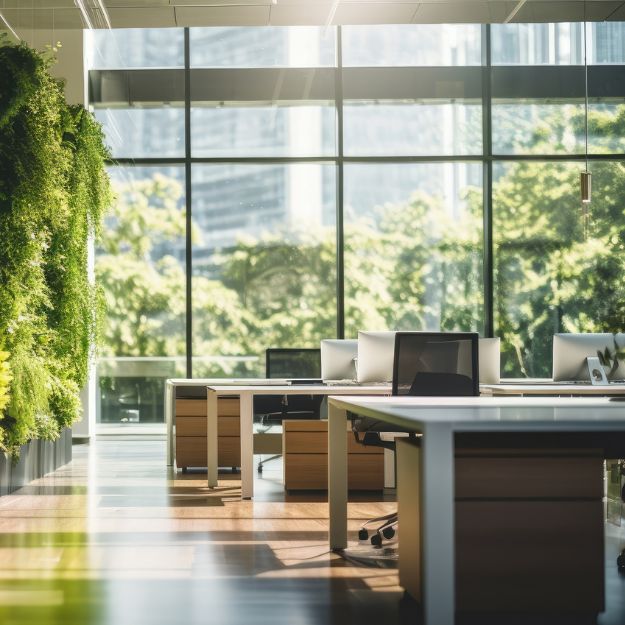
The moment I walked into the space, my body noticed before my brain did.
Light.
Colour.
Warmth.
Movement.
Human presence.
My frustration lifted.
My loneliness eased.
My thinking expanded.
This wasn’t about productivity hacks or better brainstorming tools. This was my nervous system responding to an environment that finally supported it.
Sensory Identity™: the missing piece in workplace conversations
Here’s the part we rarely talk about.
My Sensory Identity™ is high-threshold and sensory-seeking. That means my nervous system needs:
- Stimulation
- Movement
- Energy
- Visual and auditory input
- Human presence
Working alone at home removed far more sensory input than I realised. Over time, that undernourishment didn’t just affect how much I worked; it affected how I felt.
This is why environment is never neutral.
It either:
- Supports nervous system regulation
- Or slowly works against it
Why environments shape more than productivity
Yes, environments influence output and performance. But their deeper impact is quieter and far more powerful. They shape:
- Emotional capacity
- Regulation and resilience
- Connection and motivation
- How safe, energised, or depleted we feel in our bodies
When we ignore this, we blame ourselves:
“I should be more disciplined.”
“I should be coping better.”
“I just need to push through.”
Often, it’s not a personal failure. It’s simply a sensory mismatch.
Choosing where you work differently
The better question isn’t:
“Where can I get the most done?”
It’s:
- What does my nervous system need to stay regulated?
- Which environments nourish my sensory needs?
- Where do I feel more human, not just more productive?
Because the answer is never generic, it’s personal, biological, and sensory.
Final thought
Environments don’t just shape output.
They shape how we feel and who we become.
And when we design or choose spaces that truly support our nervous systems, work doesn’t just become more effective.
It becomes more sustainable. More humane. More alive.
Your environment isn’t neutral, and understanding your sensory needs can change how you work.
Explore the Senses@Work™ and Sensory Matrix™ assessments to gain practical insight into your unique Sensory Identity™ and the environments that support your regulation, performance, and resilience.
Learn more about Senses@Work™Learn more about the Sensory Matrix™