Neurodiversity is a superpower, not a crutch
Posted: 4 February, 2026
By: Annemarie Lombard
Share this post:





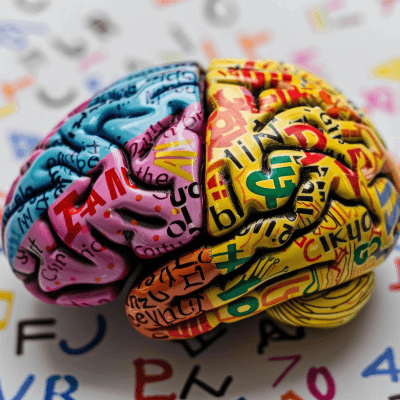
Neurodiversity has become a widely discussed topic, and it’s heartening to see awareness growing across workplaces, schools, and society. We’re finally acknowledging that human brains are wired differently, and that those differences matter.
But as the conversation expands, we need to bring a more balanced, empowering lens to this space. Because while neurodiversity is powerful, the way we talk about it can sometimes become confusing, polarised, or even limiting.
The messy middle: When neurodiversity labels help and when they can limit growth
We live in a time where people are quick to self-identify or even self-diagnose. This isn’t necessarily wrong; self-understanding is crucial, but without proper context, labels can become restrictive rather than liberating.
At its heart, neurodiversity is about understanding how your brain processes the world differently, and using that understanding to empower, not excuse. It is not about hiding behind a label or using it as a crutch. It’s about owning your wiring and learning how to thrive with it.
The world isn’t designed for everyone equally
This is an undeniable truth. Many neurodiverse individuals experience environments that feel overwhelming, excluding, or simply incompatible with how their nervous systems operate. That can be frustrating, exhausting, and painful.
But the key question I always ask, both personally and through my work with Sensory Intelligence®, is:
How can I use this insight to make my life easier, more empowered, and more effective?
Knowledge without action doesn’t create change. Understanding your neurodiversity is the starting point. Learning how to regulate, adapt, and advocate is the transformation.
A real-world example: When insight becomes action
I recently had a conversation with an organisation where an employee completed our Sensory Matrix™ assessment. She discovered that she had low sensory thresholds, meaning her nervous system processes sensory input intensely and rapidly.
With that insight, she approached her employer to request adjustments to her workspace.
The discussion that followed was open, honest, and deeply valuable. We spoke about what the organisation could do to accommodate her needs, because inclusive environments are essential.
But we also explored what she, as the individual, could do: self-regulation strategies, communication tools, and proactive adjustments, because the most sustainable change comes when both sides play their part.
Creating neurodiversity-inclusive workplaces is a shared responsibility
Creating neuro-inclusive spaces requires a dual approach:
- The organisation’s role
Build environments and systems that enable neurodiverse employees to thrive: flexible spaces, clear communication, sensory-friendly options, and psychological safety. - The individual’s role
Use your insights to understand your patterns, strengths, and challenges, and take ownership of your self-regulation and empowerment.
This is where the magic happens. When both sides step in, differences become superpowers.
3 Practical ways to thrive as a neurodivergent person
- Get the knowledge
Understand your sensory thresholds and how they shape your behaviour, focus, energy, and performance. Awareness is the foundation of self-mastery. - Don’t use it as a crutch
Your neurodiversity doesn’t make you less capable; it makes you unique. Own your strengths and approach challenges with curiosity instead of defeat. - Adapt your context
Small, realistic environmental changes – at work, home, and socially – can make the biggest difference. When your space supports you, your strengths amplify.
We are all on the sensory–neurodiversity spectrum
Not everyone is ADHD, autistic, or formally diagnosed! Human brains exist on a wide, fascinating continuum. What matters most is how we use our insight to become more mindful, empowered, and resilient. Because your future wellbeing and success depend not only on who you are, but on the environments you operate in and the strategies you choose to support yourself.
Neurodiversity is not a limitation. It’s a lens. And when you learn to use it well, it becomes a superpower.
Ready to understand your Sensory Identity™ and turn it into your superpower?
Discover your unique sensory thresholds with the Sensory Matrix™, our scientifically validated online assessment. Take the Sensory Matrix™ and get personalised strategies to boost your focus, energy, and wellbeing.